February 19, 2026
Importance of Zakat & Its Positive Impact on Society
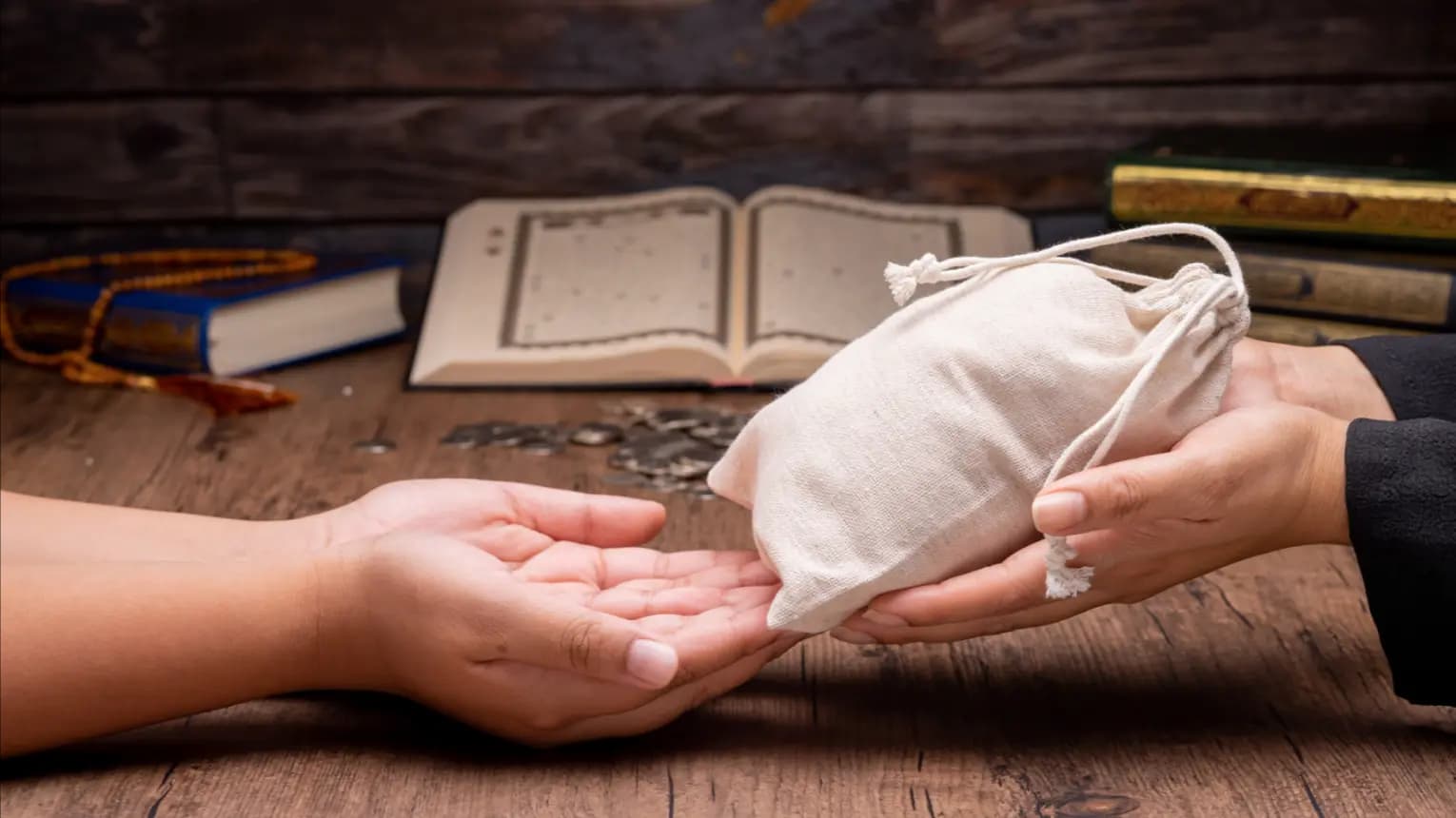
Zakat is one of the most beautiful acts of worship in Islam. It links faith to kindness an...

After getting married, many Muslim couples are interested in learning what is permitted in their private lives by Islam. One such common and often unspoken question is: “Can husband and wife bath together in Islam?” Even though love and affection are important in marriage, many couples find it difficult to know where modesty and privacy end between them.
Being a well-balanced religion, Islam gives clear instructions on every aspect of life, including matters of intimacy. Even though bathing together is often seen as a private act, many Muslims want to be sure it is considered halal and respectful by Allah ﷻ.
The article answers this question using Qur’anic teachings, reliable Hadiths and the insights of classical Islamic scholars and also considers the emotional and spiritual importance of being close in marriage.

Yes, Islam does not forbid husband and wife from bathing together. Shari’ah does not stop spouses from spending time together in this way. In contrast, genuine Hadiths prove that Prophet Muhammad ﷺ bathed with his wives which shows that this practice is both allowed and part of his way of life.
The most direct evidence comes from the life of the Prophet ﷺ. Sayyidah Aisha (RA) reported:
“I and the Messenger of Allah ﷺ used to bathe together from a single container while we were both in a state of Janabah.” — Sahih Muslim, Hadith 321
The narration demonstrates that the Prophet ﷺ would bathe together with his wives after intimacy, always with modesty and love. It also states that Islam allows husbands and wives to be close physically without feeling ashamed.
Islam encourages modesty, but never prevents people in halal relationships from enjoying themselves. It is a cultural error to think that spouses cannot see each other, touch or bathe together, not something forbidden by Islam.
Allah ﷻ describes the marital relationship beautifully in the Qur’an:
“They are garments for you, and you are garments for them.” — Surah Al-Baqarah 2:187
This verse expresses that a couple is close emotionally, physically and spiritually. Spouses cover and protect each other in the same way that clothing does and they also give each other comfort, support and love.
Classical scholars agree that spouses may see each other without clothes. Imam Nawawi, a leading Shafi’i scholar, explained in his commentary on Sahih Muslim:
“It is permissible for spouses to look at each other’s private parts. There is no harm in that.”
The agreement among scholars shows that bathing together is both allowed and natural in marriage.
There are some times when bathing together is actually recommended, not just permitted.
Even though it’s permissible, Islam teaches that etiquette and privacy should always be maintained:
“Isn’t this immodest or shameful?”
Islam does not see affection between spouses as being immodest. What is kept private is private and does not change.
“Won’t this reduce respect between husband and wife?”
When done with love such actions can help create trust and affection between partners.
Marriage in Islam includes companionship as well as being a way to worship. The Prophet ﷺ told us:
“In your sexual act, there is charity.” — Sahih Muslim, Hadith 1006
Even moments of intimacy and affection—like bathing—can be counted as acts of ibadah (worship) when done with pure intention.
Islam sees the relationship between husband and wife as a source of comfort and love. If both people are happy, bathing together can turn into an act of love, a Sunnah and a way to connect spiritually.
When you ask yourself, “Is it allowed for husband and wife to bathe together in Islam?” — remember that the Prophet ﷺ did this with kindness and affection.
“The best of you are those who are best to their wives.” — Tirmidhi, Hadith 3895
Try to live your marriage with the same compassion, gentleness and love that our Prophet ﷺ showed.